

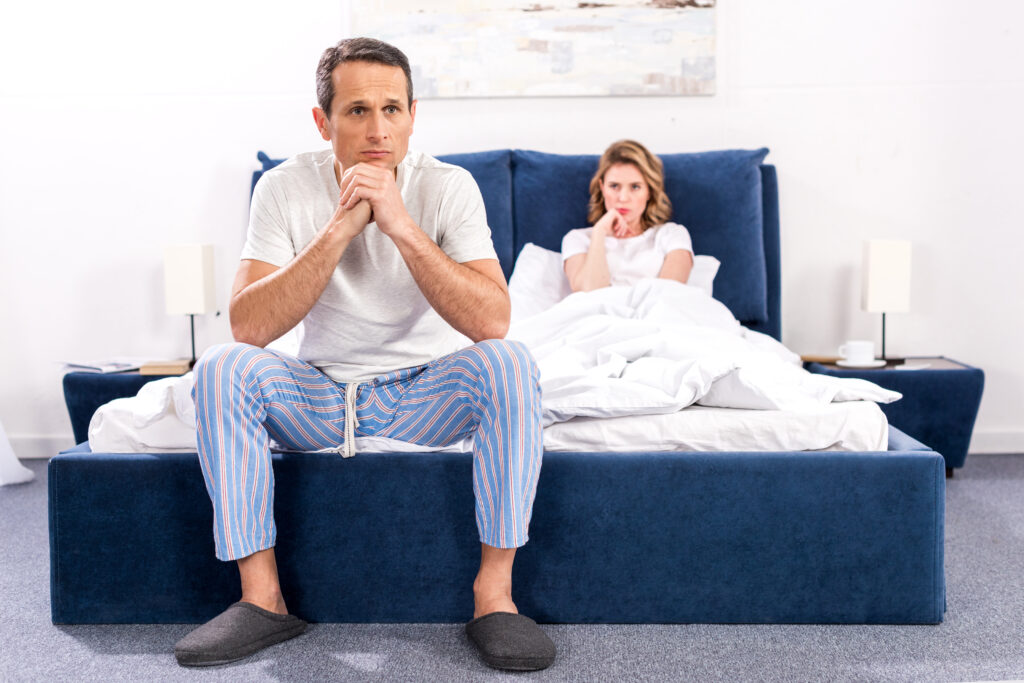
Erectile dysfunction (ED) is more than just a physical health issue—it’s a condition that affects millions of men globally, influencing their mental and emotional well-being. This guide explores the causes, symptoms, risk factors, and treatment options to help you understand and manage ED effectively.
What is Erectile Dysfunction?
Definition and Scope
Erectile dysfunction, often referred to as impotence, is the inability to achieve or maintain an erection sufficient for sexual activity. While it can occur at any age, its prevalence increases significantly as men grow older. Studies estimate that over 30 million men in the United States experience ED, making it a widespread health concern.
Who is Affected?
Though age is a significant factor, ED isn’t exclusive to older men. It can also affect younger individuals due to lifestyle factors, stress, or underlying health conditions. This broad spectrum underscores the importance of awareness and early intervention.
The Science Behind Erections
How Erections Occur
Erections involve a complex interplay of the brain, nerves, blood vessels, and hormones. When aroused, the brain sends signals to the penile nerves, triggering the release of chemicals like cyclic guanosine monophosphate (cGMP). This process relaxes blood vessel walls, allowing increased blood flow into the erectile tissues.
Why ED Happens
Any disruption in this process—whether due to nerve damage, poor circulation, or chemical imbalances—can result in ED. Conditions like diabetes, hypertension, or the side effects of certain medications often play a role.
Recognizing the Symptoms
Key Indicators
- Difficulty Achieving an Erection: Persistent trouble getting an erection despite adequate stimulation is a hallmark symptom.
- Inability to Maintain an Erection: Men with ED often report that their erections don’t last long enough for satisfactory intercourse.
- Decreased Libido: ED can sometimes diminish sexual desire, stemming from anxiety or low self-esteem related to performance.
- Painful Erections: Although rare, pain during erections may occur due to underlying conditions like Peyronie’s disease.
What Causes Erectile Dysfunction?
Physical Causes
- Diabetes: Damages blood vessels and nerves essential for erections.
- Heart Disease: Impaired blood flow restricts the ability to achieve an erection.
- Obesity: Hormonal imbalances and reduced circulation often accompany excessive weight.
- Injuries or Surgeries: Damage to the pelvic area can directly affect erectile function.
Psychological Factors
- Stress and Anxiety: Mental health struggles can disrupt sexual arousal signals.
- Depression: Alters brain chemistry, reducing libido and overall interest in intimacy.
- Relationship Issues: Emotional tension with a partner may lead to sexual dissatisfaction.
Risk Factors for ED
Age and Health
- Aging naturally increases ED risk due to declining testosterone levels and overall health deterioration. However, it’s not an inevitable part of aging.
Lifestyle Choices
- Smoking: Damages blood vessels and restricts blood flow.
- Alcohol: Excessive consumption interferes with the nervous system’s ability to maintain erections.
- Drug Use: Recreational drugs disrupt hormonal balance and circulation.
Sedentary Lifestyle
A lack of physical activity contributes to obesity and cardiovascular issues, both significant risk factors for ED.
Preventing Erectile Dysfunction
Healthy Habits
- Exercise Regularly: Improves blood flow and cardiovascular health, reducing the risk of ED.
- Balanced Diet: A nutrient-rich diet promotes hormonal balance and reduces the risk of chronic illnesses.
- Quit Smoking and Limit Alcohol: These changes restore blood vessel health and reduce nerve damage risks.
Stress Management
Incorporating stress-relieving activities like yoga, meditation, or therapy can improve both mental health and sexual performance.
Treatment Options for Erectile Dysfunction
Lifestyle Modifications
Simple adjustments in daily habits often yield significant improvements. These include exercising, eating healthily, quitting smoking, and reducing alcohol consumption.
Medications
- PDE5 Inhibitors: Drugs like Viagra, Cialis, and Levitra enhance blood flow to the penis.
- Testosterone Therapy: Helps men with low testosterone levels regain their libido and improve erections.
Advanced Treatments
- Penile Injections and Intraurethral Medications: Deliver direct and effective results for some men.
- Vacuum Erection Devices: Create a vacuum to draw blood into the penis, aiding erections.
- Surgical Implants: A permanent solution for severe ED cases.
Psychological Support
For cases linked to mental health, therapy or counseling can address anxiety, stress, or relationship conflicts contributing to ED.
The Emotional Impact of ED
Erectile dysfunction doesn’t just affect physical health; it deeply impacts emotional well-being. Many men experience feelings of inadequacy, embarrassment, or anxiety, which can strain relationships. Open communication with a partner and seeking professional support are crucial steps toward emotional recovery.
Conclusion
Erectile dysfunction is a manageable condition that requires a holistic approach to treatment. Understanding its causes, symptoms, and treatment options is the first step to reclaiming your confidence and improving your quality of life. By adopting healthy habits, seeking medical advice, and maintaining a positive outlook, you can effectively overcome ED.
FAQs
- Can erectile dysfunction be reversed?
Yes, many cases of ED can be reversed with lifestyle changes, medications, or therapy. - Is ED only a problem for older men?
No, ED can affect men of any age, often due to stress, lifestyle, or health conditions. - Are natural remedies effective for ED?
Regular exercise, a balanced diet, and stress reduction can naturally improve ED symptoms. - Does ED indicate a serious health problem?
Sometimes. Conditions like heart disease or diabetes can manifest as ED, making early diagnosis crucial. - What should I do if I experience ED?
Consult a healthcare provider to identify the underlying cause and explore suitable treatments.